
Behind Every Bloom
The story of how necessity shaped our approach to floral artistry
When I started Intellior three years ago, I had no idea that client challenges would teach me more about flower arrangement than any textbook ever could. What began as traditional bouquet services evolved into something entirely different through real-world problem solving.
Learning Through Client Needs
The turning point came in late 2023 when Mrs. Kamala approached us with what seemed like an impossible request. She needed weekly arrangements that would survive Baku's unpredictable weather while being transported across the city to her elderly mother's apartment.
Traditional bouquet techniques weren't working. Flowers wilted during transport, stems broke in the heat, and arrangements looked tired by the time they reached their destination. That's when we started experimenting with what we now call "resilience-first design."
"Every failed arrangement taught us something new. We started documenting which stem treatments worked in humidity, which flower combinations lasted longer, and how to create structural support that was invisible but essential."
By spring 2024, we had developed techniques that extended arrangement lifespan by 40% while maintaining the visual impact clients wanted. Word spread quietly through personal recommendations, and we found ourselves solving increasingly complex floral challenges.
Problem-Solving Methods That Work
Each client situation pushed us to develop better solutions. Here's how practical challenges shaped our current approach to floral design.
Structural Engineering Approach
After countless arrangements fell apart during delivery, we developed hidden support systems using specialized wire techniques and strategic stem placement. Each bouquet now has an invisible skeleton that maintains shape while looking completely natural.
Climate-Adaptive Selection
Working with local weather patterns taught us which flower varieties thrive in Mingecevir's specific conditions. We source from suppliers who understand our climate requirements and have built relationships with growers who can guarantee flower quality.
Transport Optimization
Real delivery challenges forced us to rethink packaging completely. We created custom containers and developed handling protocols that protect arrangements during transport while making them easy for recipients to manage at home.
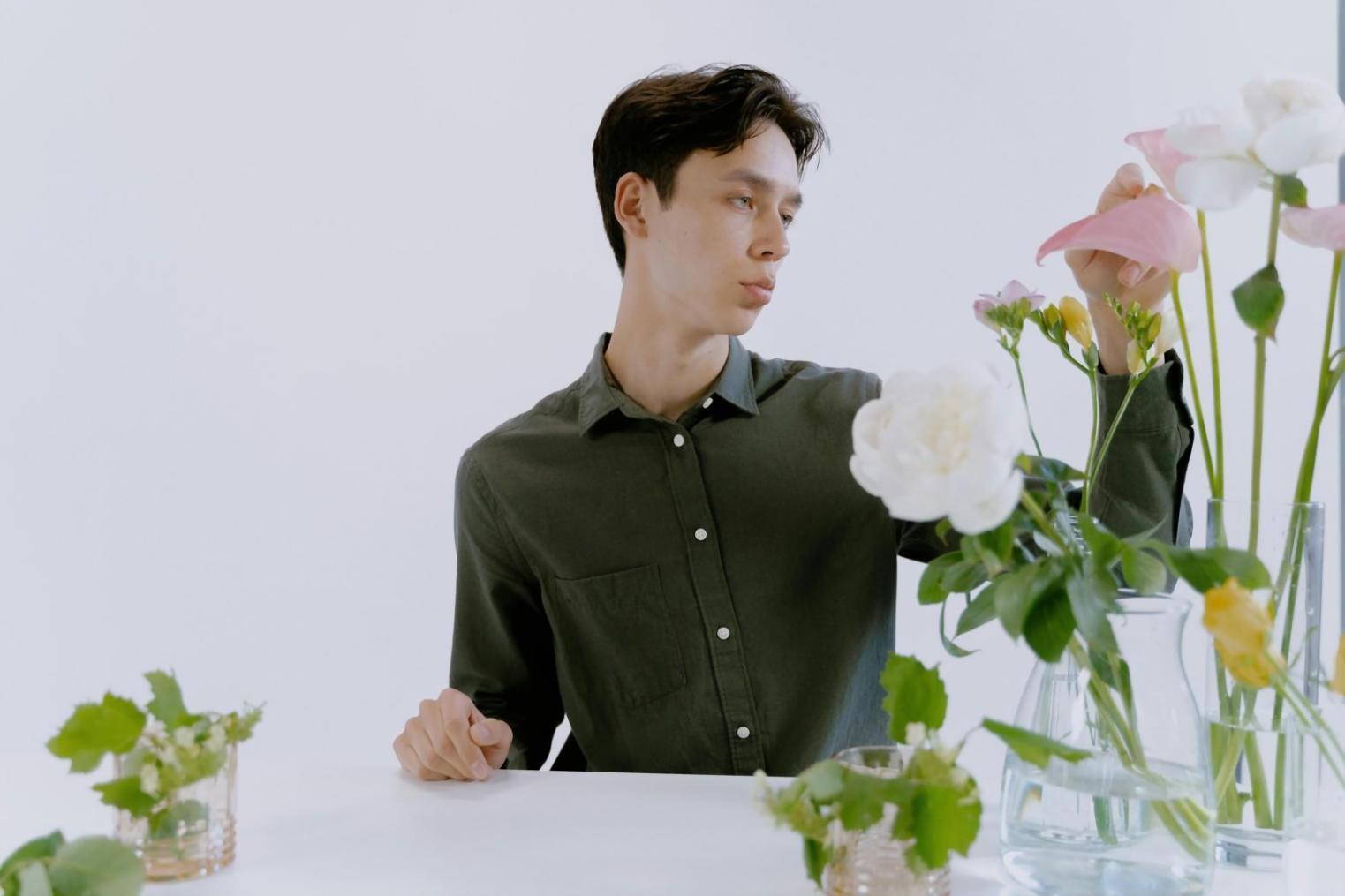

Velma Hendricks
Creative Director
Why Individual Attention Matters
Running a small operation means I personally handle every client consultation. This isn't just about preference – it's about understanding the specific story behind each arrangement request. A birthday bouquet for a teenager requires different considerations than flowers for a business opening or a memorial service.
Over the past two years, I've learned that successful floral design isn't really about following traditional rules. It's about listening carefully to what someone needs and then figuring out how to make it work with the flowers available, the weather conditions, and the practical realities of their situation.
The best arrangements happen when technical skill meets genuine understanding of what someone is trying to express through flowers.
Each project teaches us something new. Sometimes it's a technical discovery about stem treatment or color combinations. Other times it's insight into how people use flowers to communicate feelings they can't express in words. Both kinds of learning make us better at what we do.
Practical Beauty
Arrangements that work in real life, not just photos
Honest Communication
Clear expectations about what's possible and what isn't
Continuous Learning
Every client challenge makes our methods stronger